More Than Art: Why Creativity Matters in Education
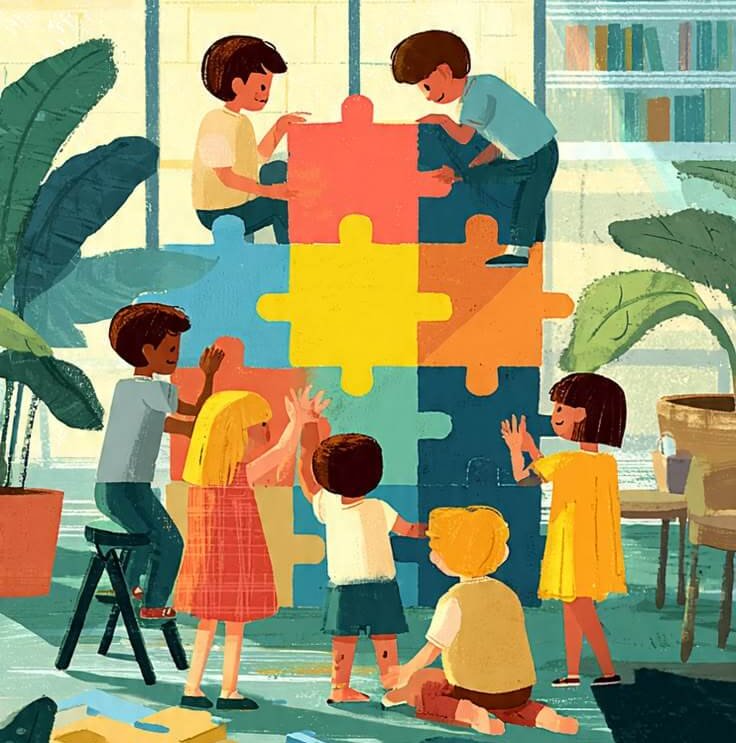
At R.O.S.A., education is not only about helping students gain knowledge. It is also about creating spaces where they can explore, express themselves, build confidence, and discover new ways of seeing the world.
For young learners especially, creative thinking can become an important part of how they understand themselves and connect with others.
Through art, storytelling, music, theatre, and hands-on activities, children are given opportunities to make choices, experiment with ideas, and communicate in ways that go beyond traditional classroom learning.
Learning Through Creativity
Creativity often begins with something simple: choosing a color, inventing a character, singing a song, or acting out a story. Each activity gives a child the chance to make decisions of their own.
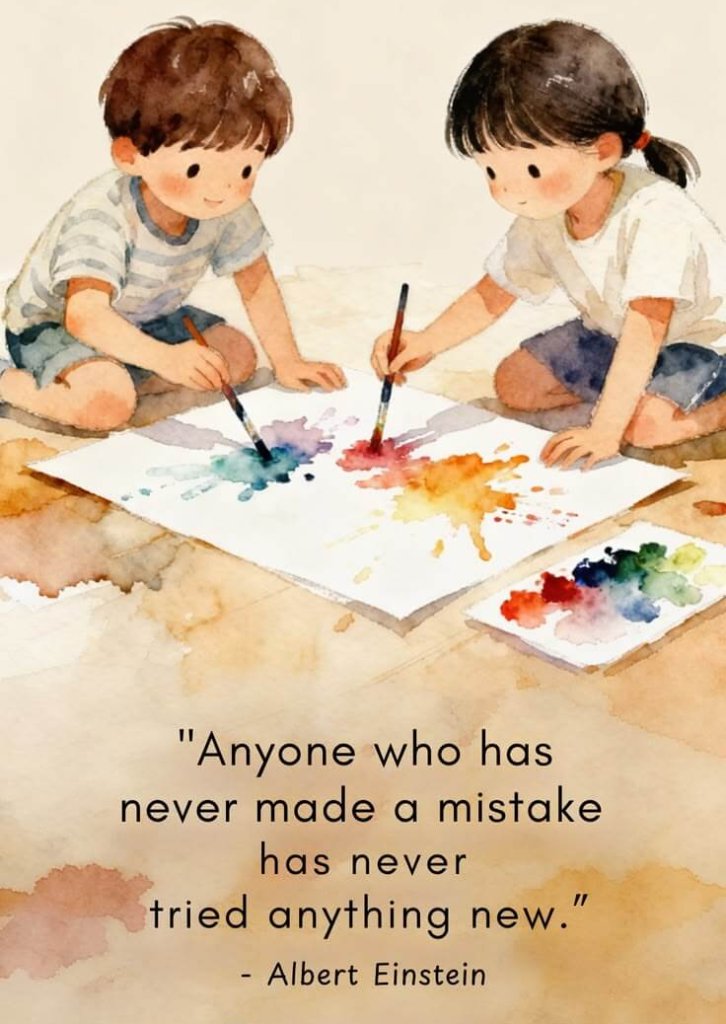
Creative learning also creates room for mistakes. There may not be one correct way to draw a picture, perform a scene, or tell a story. Children can try something, change direction, and discover something unexpected along the way. This kind of exploration can support confidence, curiosity, problem-solving, communication, and self-expression. These are the skills that are valuable far beyond an art lesson.
At R.O.S.A., creative activities are one way of making learning more active, inclusive, and empathetic.
Different Ways to Find a Voice
That can be seen in the different approaches of educators working with R.O.S.A.
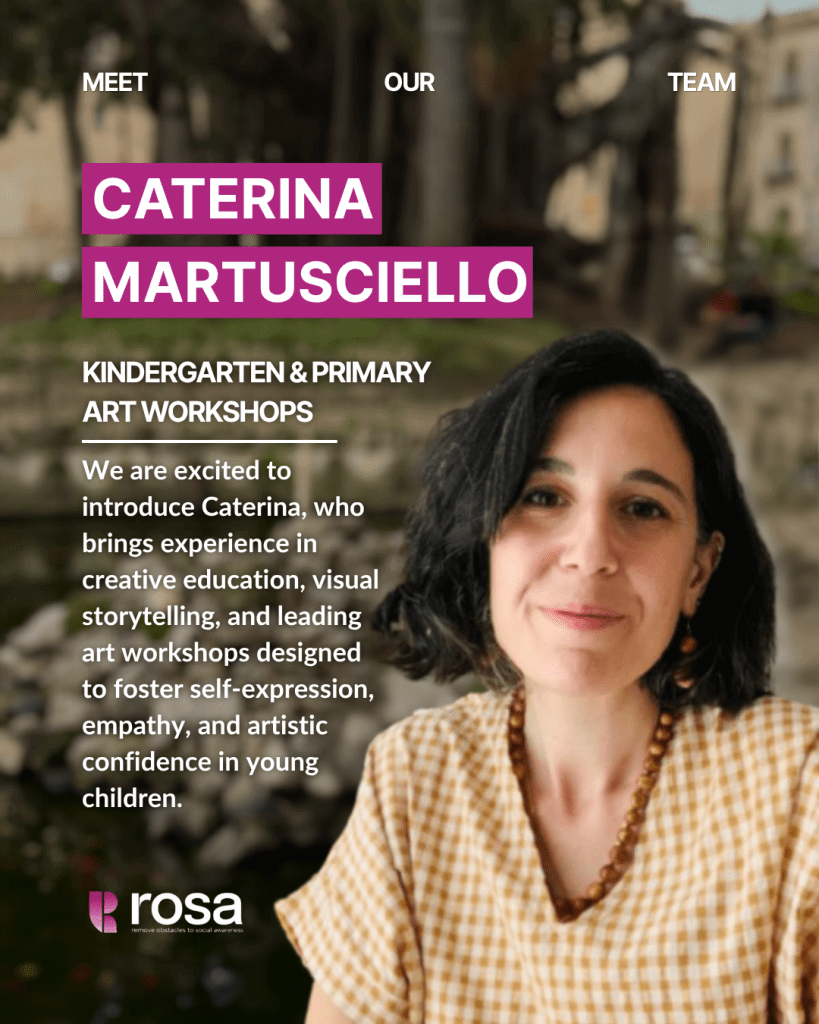
Caterina Martusciello, a visual storyteller and creative guide, leads art workshops for kindergarten and primary school children. Through forms, colors, materials, and hands-on activities, she creates spaces where children can explore their ideas without being afraid of making mistakes. Her approach uses art not only as a creative activity but also as a way to encourage self-expression, curiosity, empathy, trust, and inclusion.
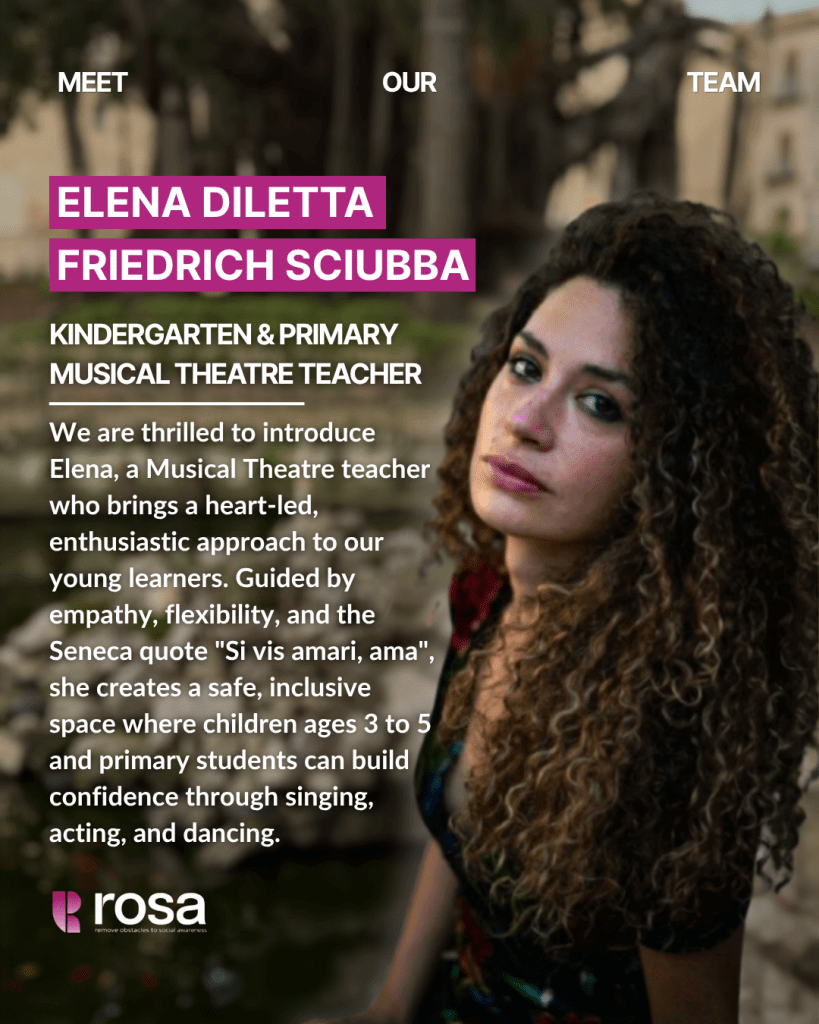
Through musical theatre, Elena Diletta Friedrich Sciubba works with young learners through singing, acting, and dancing. Her approach creates a safe and inclusive environment where children can build confidence while expressing themselves through their voices, bodies, and imaginations.
One child may feel most comfortable communicating through a drawing. Another may find confidence through music, movement, or stepping into a character on stage.
More Than an Art Lesson
Creative education is not about expecting every child to become an artist, musician, or performer. It is about giving children the freedom to explore who they are, how they think, and how they relate to the people around them.
Art can encourage experimentation. Theatre can help children consider another person’s perspective. Music and movement can create opportunities for collaboration, confidence, and connection. These are some of the reasons creativity continues to have a place within R.O.S.A.’s educational work.
By bringing together different forms of creative learning, R.O.S.A. aims to create experiences where children can participate, imagine, communicate, and grow in ways that complement academic learning.