Why Mental Health Matters in Education: A Conversation with Aimee Zeltzer
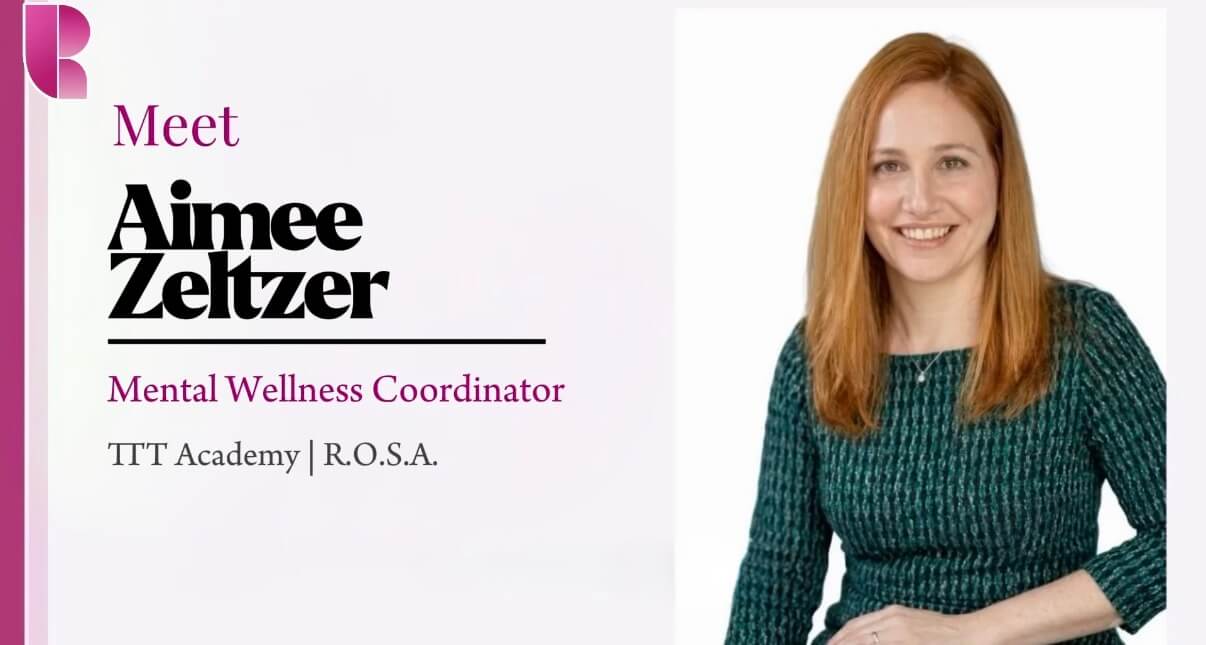
At R.O.S.A., we believe mental well-being deserves a place in education. As we continue the conversation following World Mental Health Day, we’re highlighting the work of Aimee Zeltzer, Mental Wellness Coordinator for our Training Teachers for Tomorrow (TTT) Academy program, who is developing mental health and wellness education for young people in Zanzibar.
Why Mental Health Education Matters
According to UNESCO, one in seven adolescents aged 10–19 experiences a mental health condition worldwide. Beyond these challenges, many young people face everyday stress, uncertainty, and emotional difficulties that can affect their ability to learn and connect with others.
Mental health education can help students recognize their feelings, develop emotional resilience, and learn healthy ways to respond to challenges. These skills are valuable not only during their school years but throughout their lives.
Meet Aimee: A Career Rooted in Helping Others
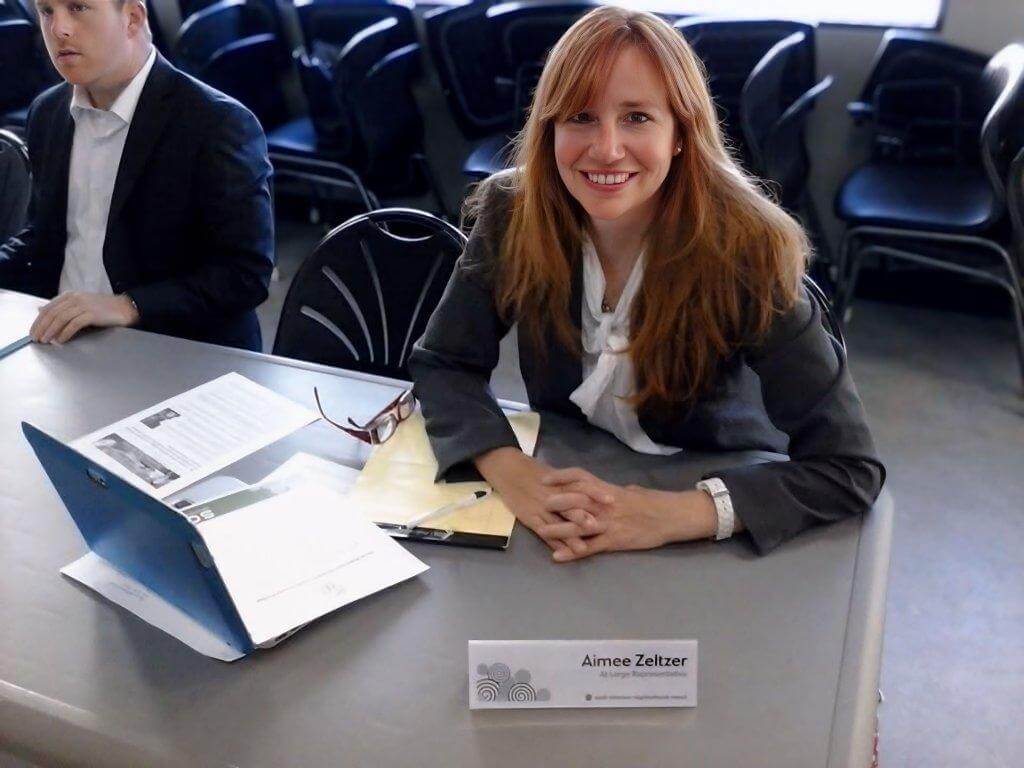
Aimee’s background spans law, education, community service, and mental health counseling. Throughout her career, one thing has remained consistent: her commitment to helping people overcome obstacles. As she shared in our interview:
“At my core, I believe in helping others, treating people with dignity and respect, and making a positive difference in their lives.”
Drawing on her experience in education, counseling, research, and writing, Aimee brings a compassionate and practical approach to her work with R.O.S.A. One of her strengths is making complex subjects easier to understand, particularly for young learners.
Making Mental Health Education Practical
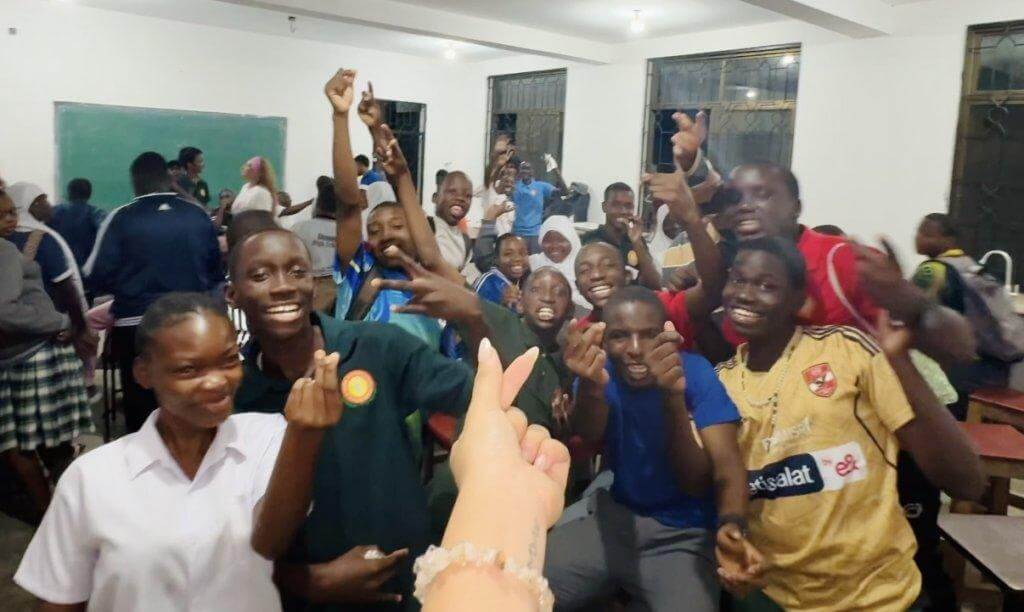
As part of her role with R.O.S.A., Aimee develops educational scripts, presentations, and video lessons that help students in Zanzibar better understand their emotions, develop healthy coping skills, and build confidence.
Rather than simply explaining mental health concepts, her approach encourages students to reflect, participate, and apply what they’ve learned.
“I also incorporate practical exercises and reflection questions to encourage students to apply what they learn to their everyday lives.”
This emphasis on practical learning reflects an important part of mental health education: giving students tools they can use when navigating friendships, managing stress, or facing personal challenges.
Connecting Through Shared Human Experiences
For Aimee, developing meaningful educational resources also means understanding the cultural experiences of the students she hopes to reach.
Coming from California and creating materials for young people in Zanzibar requires openness, flexibility, and a willingness to learn from different perspectives.
Despite differences in language, culture, and geography, she believes there is something that connects us all:
“We all share common human emotions and face challenges throughout our lives.”
Supporting Well-Being Through TTT Academy
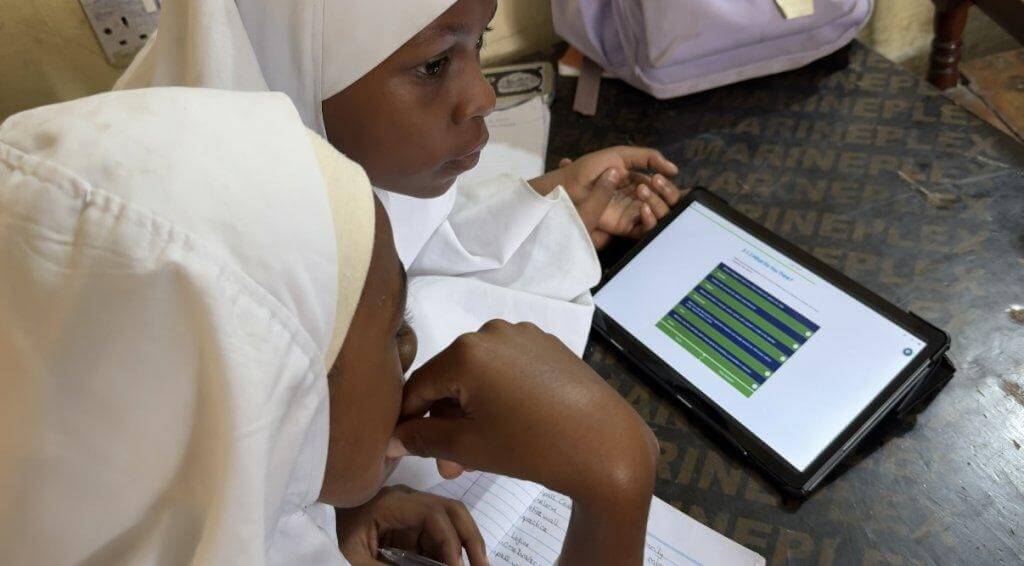
Mental health education is also an important part of R.O.S.A.’s broader work through TTT Academy, an e-learning platform being developed to support teachers in Zanzibar.
Alongside digital literacy, teaching methodologies, and leadership development, the Academy’s learning framework includes social and emotional learning and student and teacher mental health.
As the platform prepares for its planned deployment in November 2026, Aimee’s work highlights why emotional well-being deserves attention alongside academic and professional development.
At R.O.S.A., our goal is to make education meaningful for every learner, regardless of their background or circumstances. Because understanding our emotions, caring for our well-being, and building resilience are skills that can stay with us for life.