

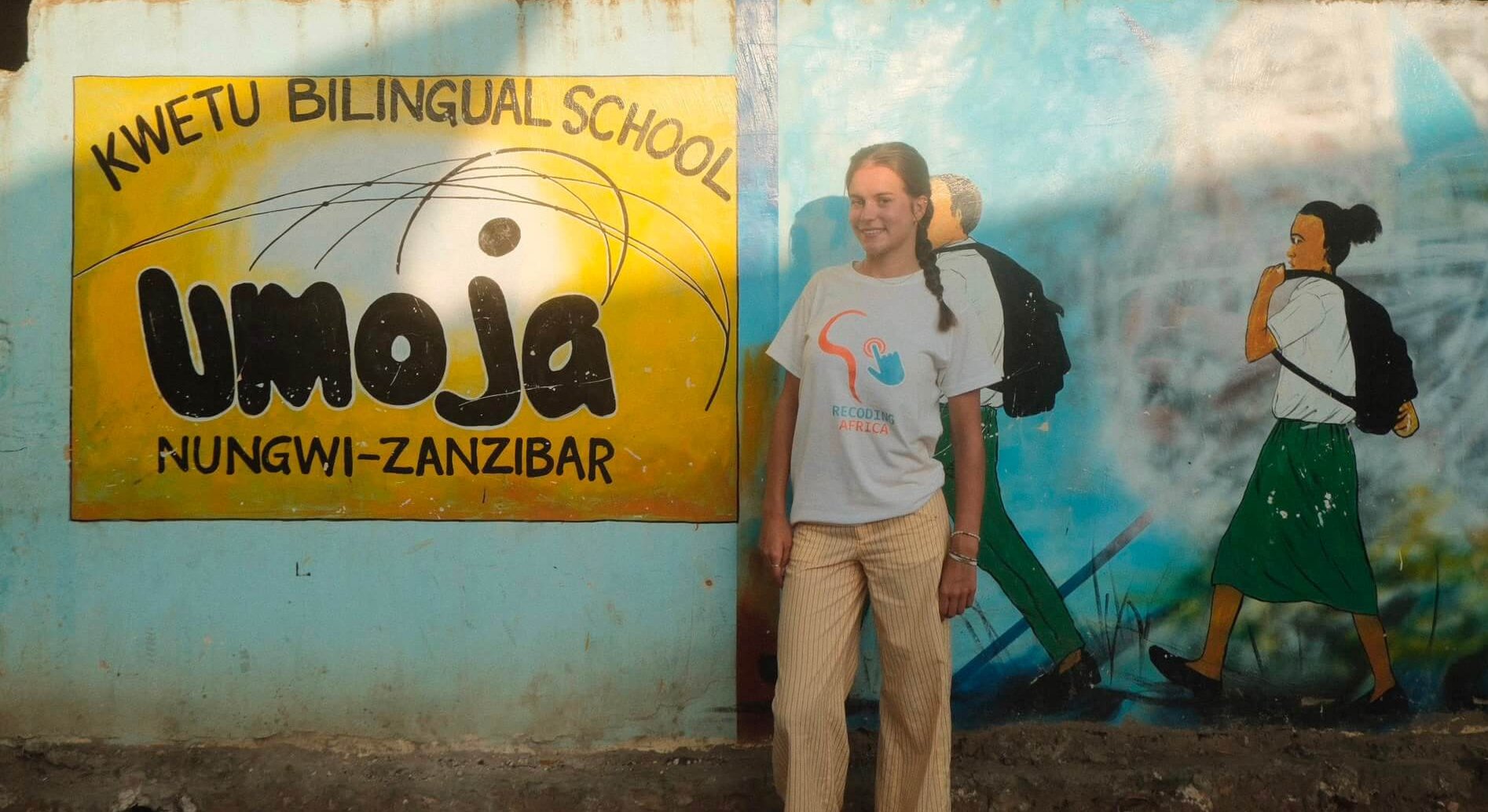
From Classroom To Community: A Volunteer’s Experience Teaching At Kweto Bilingual School
What can happen in one month when education becomes a shared experience?
In August 2026, R.O.S.A. vounteer Joslyn Knaap spent a month at Kweto Bilingual School in Nungwi, Zanzibar, teaching English and digital literacy to students while becoming part of a community very different from her own.
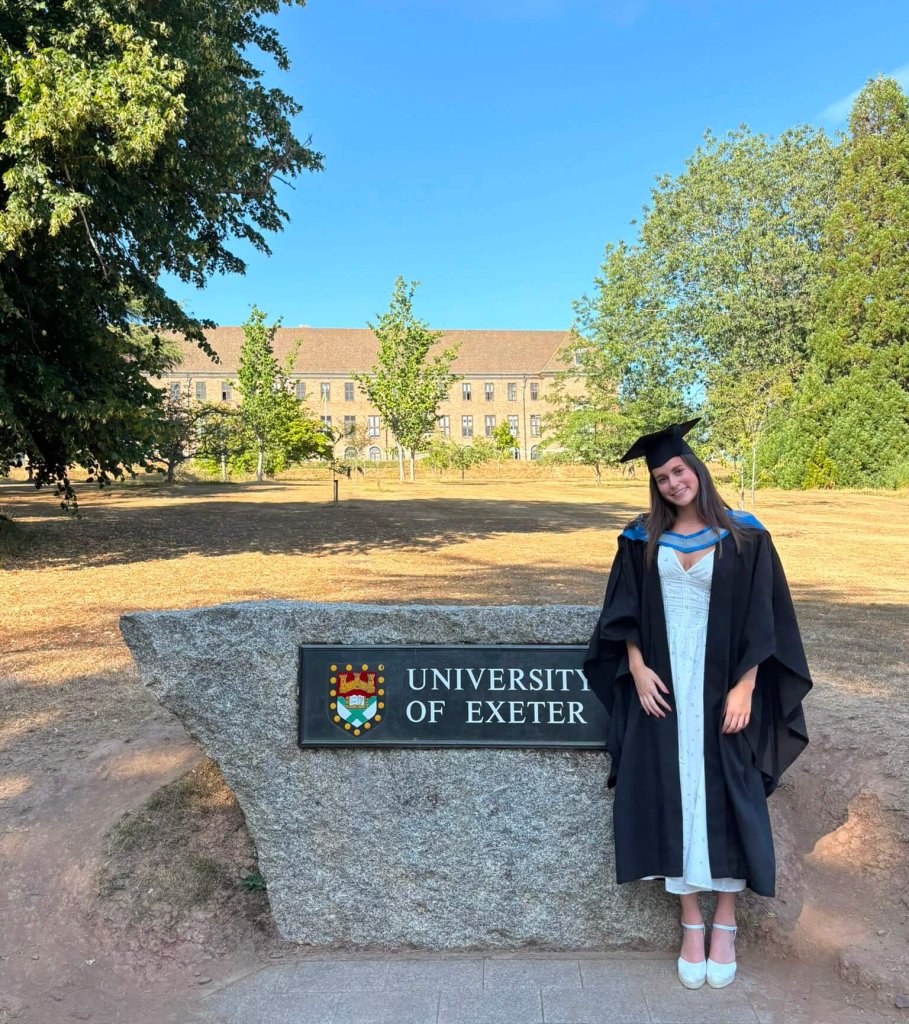
Joslyn recently graduated from the University of Exeter with a First Class degree in International Relations and is now pursuing an MSc in Security and Data Science. Although teaching is not her traditional career path, she wanted to spend her summer doing something purposeful and saw an opportunity to share her interest in technology through education.
But choosing where and how to volunteer mattered just as much.
Throughout her studies, Joslyn had become conscious of the challenges surrounding international volunteering and what is sometimes described as the “white saviour complex.” Rather than entering a community with assumptions about what needed to change, she wanted an experience built around collaboration, respect, and existing local relationships. That search brought her to R.O.S.A., where she was supported throughout the process, from the initial planning to her placement at Kweto Bilingual School.
Bringing Digital Literacy Into the Classroom
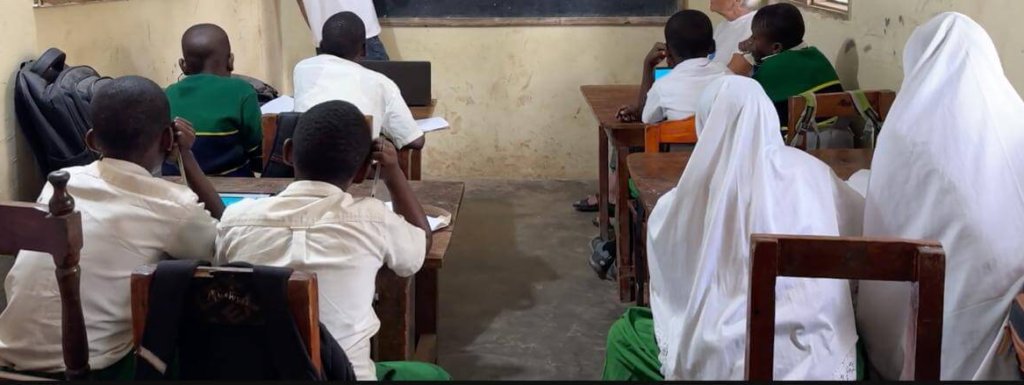
At Kweto, Joslyn primarily worked with students between the ages of 11 and 16, teaching English and digital literacy. Her goal was not only to introduce technology but also to give students opportunities to use it practically, creatively, and confidently.
One of the most important parts of her placement became a digital literacy curriculum centered around Microsoft PowerPoint. For many of the students, even basic interaction with laptops and tablets was new. Joslyn observed that some initially needed several lessons simply to become comfortable typing. From there, students learned how to change fonts, format text, structure slides, add their own photographs, and eventually build presentations of their own.
But the lessons became about much more than learning software. Working in groups gave students experience with collaboration. Writing their slides reinforced English skills. Choosing photographs and designing presentations introduced creativity into their learning. And eventually, presenting their work gave them an opportunity to practice something entirely different: speaking confidently in front of others.
On the final day, each group presented its completed PowerPoint presentation to classmates. A month that began with students gaining familiarity with computers ended with them standing in front of their peers and presenting something they had created themselves.
Finding New Ways to Learn
Joslyn also taught English, particularly grammar, but quickly realized that teaching effectively meant adapting to the classroom rather than simply bringing in the methods she already knew.
She began incorporating more interactive exercises and visual materials while restructuring content already found in the students’ textbooks. She also created grammar tables that students could keep in their books and return to after her placement ended. That process required flexibility. Teaching independently in an unfamiliar environment pushed Joslyn to develop her own confidence, patience, and creativity. At the same time, working alongside Kweto’s teachers gave her a closer understanding of the school and its community.
And some of the most meaningful learning happened outside formal lessons altogether.
Connection Beyond Language
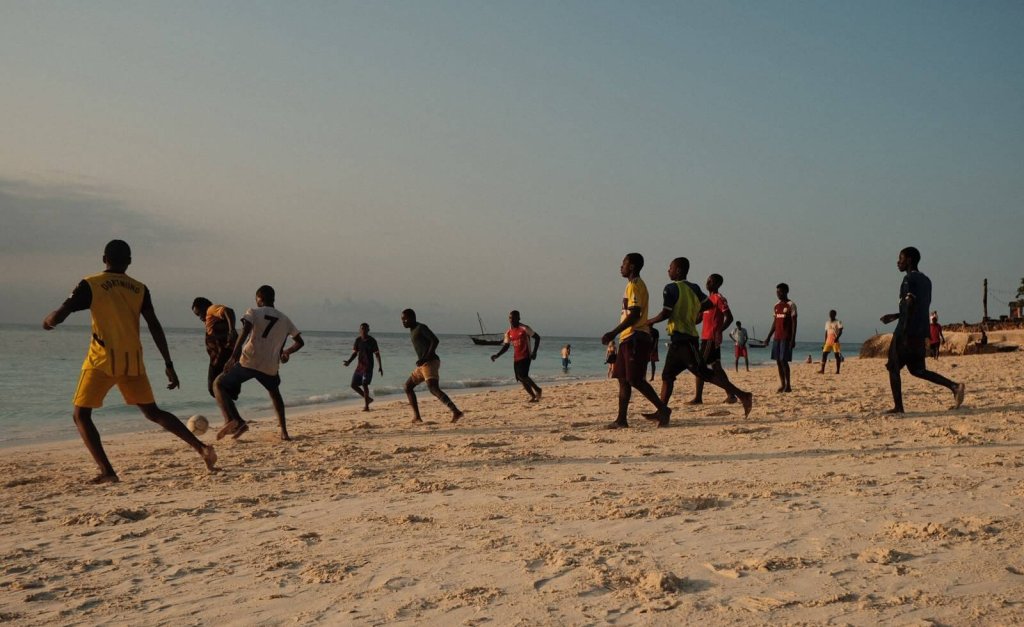
Throughout the month, Joslyn developed close relationships with students across the school. On Fridays, she joined students playing football and netball. During breaks, she spent time with younger children with whom she did not share a common language.
Instead, they found other ways to communicate. They danced. They drew pictures. They played games.
As Joslyn reflected, those experiences became a reminder that meaningful human connection does not always require words. Sometimes laughter, gestures, and a willingness to participate are enough.
That sense of connection extended beyond the school. Joslyn lived with a local host family throughout her placement, sharing meals and everyday routines and experiencing Nungwi as part of a household rather than solely as a visitor. She became particularly close with Careen, a Standard 7 student and Head Girl at Kweto, who helped her navigate cultural differences, introduced her to teachers, translated when necessary, and showed her around the community.
Discovering Zanzibar Beyond the School
Joslyn’s experience also gave her the opportunity to discover Zanzibar beyond the classroom. Her weekends took her from the streets and markets of Stone Town to the waters around Mnemba Island, where she snorkeled among coral reefs and saw dolphins swimming in their natural habitat. She visited Jozani Forest, explored a spice farm, spent time on Nakupenda Island, and experienced the beaches and everyday life surrounding Nungwi.
These experiences were not separate from her volunteer journey. They helped her better understand the place and people around her, adding another dimension to what she was learning through the school.
Learning With, Not Just Teaching To
By the end of the month, Joslyn had helped students develop practical digital skills, strengthen their English, experience collaborative learning, and create and deliver their own presentations.
But the impact went both ways. Living with a host family, adapting her lessons, learning from local teachers, and building relationships with students gave Joslyn a different understanding of what meaningful international volunteering can look like.
Her biggest takeaway closely reflects the approach R.O.S.A. strives to bring to its work: sustainable impact begins with listening, collaboration, and respect for the communities already doing the work. Joslyn did not arrive intending to “fix” or impose change. Instead, she hoped to contribute within the relationships and structures already present at Kweto, working alongside teachers and students rather than simply for them.
That distinction matters. Because sometimes the most meaningful educational experiences aren’t defined only by what one person teaches another. They’re defined by what people are able to learn together.