

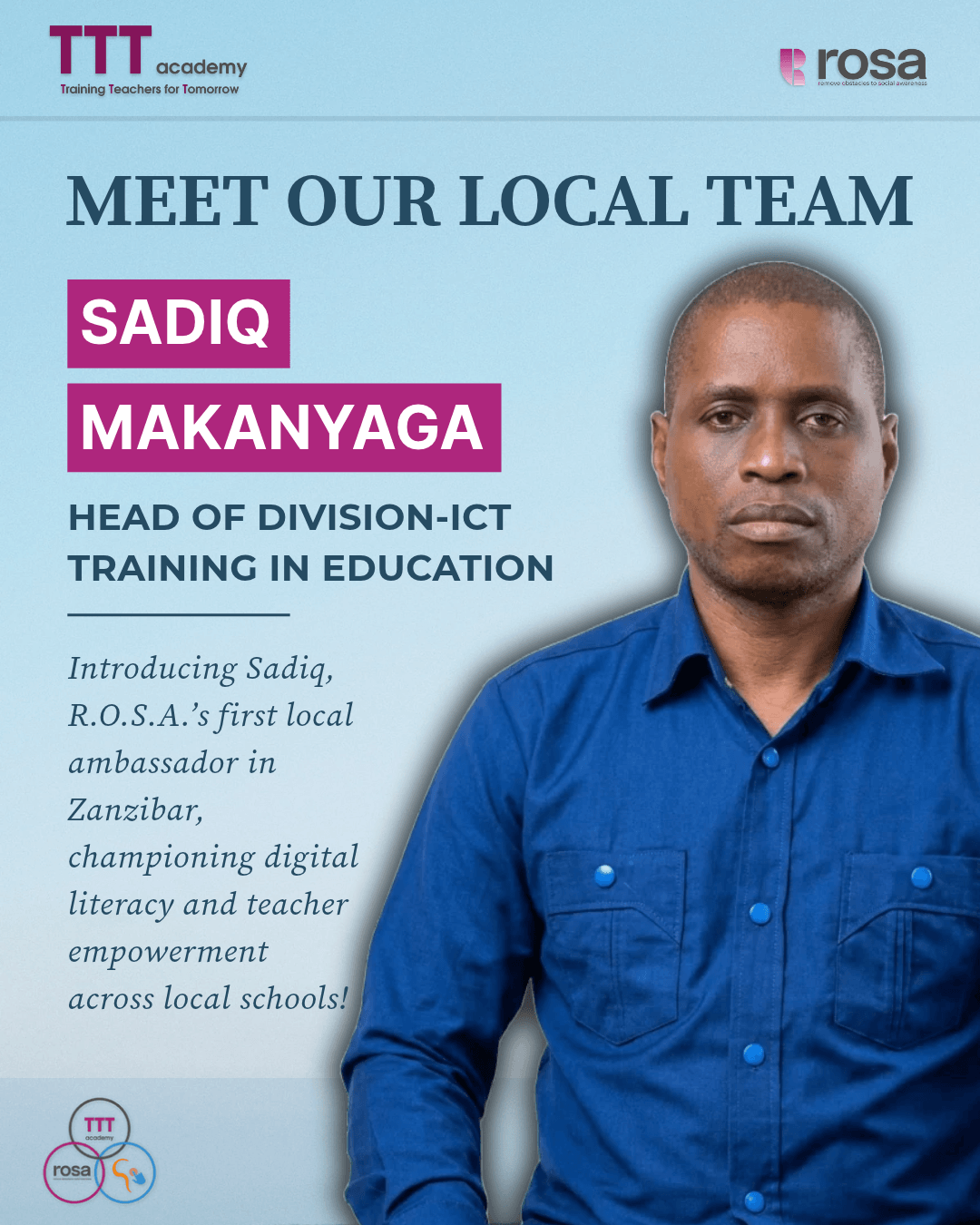
Meet Sadiq Makanyaga: Empowering Teachers and Advancing Digital Education in Zanzibar
What does it take to transform education through technology? For Sadiq John Makanyaga, the answer begins not with computers or digital devices, but with the people who use them.
As the Head of the Division of ICT Training in Education at Zanzibar’s Ministry of Education and Vocational Training, Sadiq has dedicated much of his career to helping teachers embrace technology and discover new possibilities for their classrooms.
Today, he is also R.O.S.A.’s first local ambassador in Zanzibar, supporting the Training Teachers for Tomorrow (TTT) initiative and its mission to strengthen digital literacy, empower educators, and create lasting educational opportunities.
His journey is a reminder that meaningful change often begins with curiosity, determination, and a willingness to share knowledge with others.

From Self-Learning to Empowering Others
Sadiq’s journey in education began in 2001, when he started teaching Chemistry and Biology to secondary school students in Zanzibar.
Two years later, in 2003, he encountered a computer running Windows ME. Without formal training or an instructor to guide him, he began teaching himself how to use it. Driven by curiosity and determination, Sadiq gradually developed his computer skills. By 2005, he had built a strong foundation in digital literacy, sparking an interest that would eventually shape his professional career.
In 2015, he enrolled at Zanzibar University to pursue a Bachelor of Science in Information Technology, joining the third cohort of students in the university’s newly introduced program.
However, a defining moment came in 2020, when he was assigned to Regezamwendo Science Innovation School Hub. There, Sadiq began applying his technical knowledge to support teachers in integrating technology into their daily lessons.
In 2022, Sadiq joined the Ministry of Education and Vocational Training headquarters, where his responsibilities expanded to supporting ICT integration across Zanzibar through school hubs, Teachers’ Centres, and educational partnerships.
“My journey started with self-learning, grew through teaching, and evolved into empowering others. Today, my mission is to empower teachers through technology and transform generations.”
Why Digital Literacy Begins with Teachers
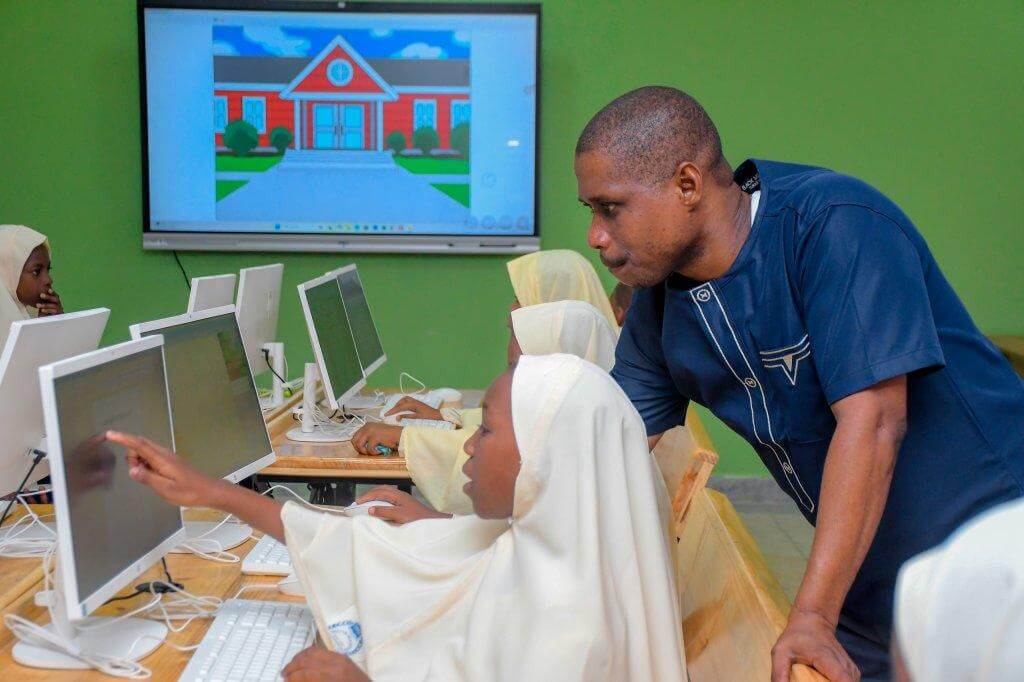
For Sadiq, introducing technology into schools involves much more than providing computers, smartboards, or internet access.
Although Zanzibar’s schools have increasingly introduced digital learning resources, he believes that technology can only make a meaningful difference when educators have the confidence and practical skills to use it.
“My experience has taught me that successful technology integration requires more than providing teachers with digital devices,” he explains. “It requires continuous practical training, mentorship, technical support, and confidence in using technology.”
This understanding has guided his work with teachers throughout Zanzibar, where he has helped educators develop digital skills and explore new approaches to teaching.
One of the challenges he identifies is technophobia, or the fear and uncertainty that can accompany unfamiliar technologies. Rather than allowing this fear to become a barrier, Sadiq believes that practical training, encouragement, and continued professional development can help teachers approach technology with greater confidence.
Joining R.O.S.A. and the TTT Academy Initiative
Sadiq first learned about R.O.S.A.’s Training Teachers for Tomorrow initiative through Khalid Wazir, who was serving as Deputy Principal for Administration at the time.
Recognizing an opportunity to strengthen his own skills while supporting other educators, Sadiq became involved in the program.
The TTT Academy is an integrated e-learning platform designed to support the professional development and digital upskilling of high school teachers in Zanzibar.
Funded by the Cisco Foundation in partnership with Zanzibar’s Ministry of Education and Vocational Training, the initiative follows a Waterfall Impact Strategy: equipping teachers with knowledge and digital skills that can be shared with students and, ultimately, their wider communities.
An innovative feature of the TTT Academy platform is its ability to allow educators not only to access online courses but also to upload and share their own learning content, creating opportunities for knowledge exchange and locally developed educational resources.
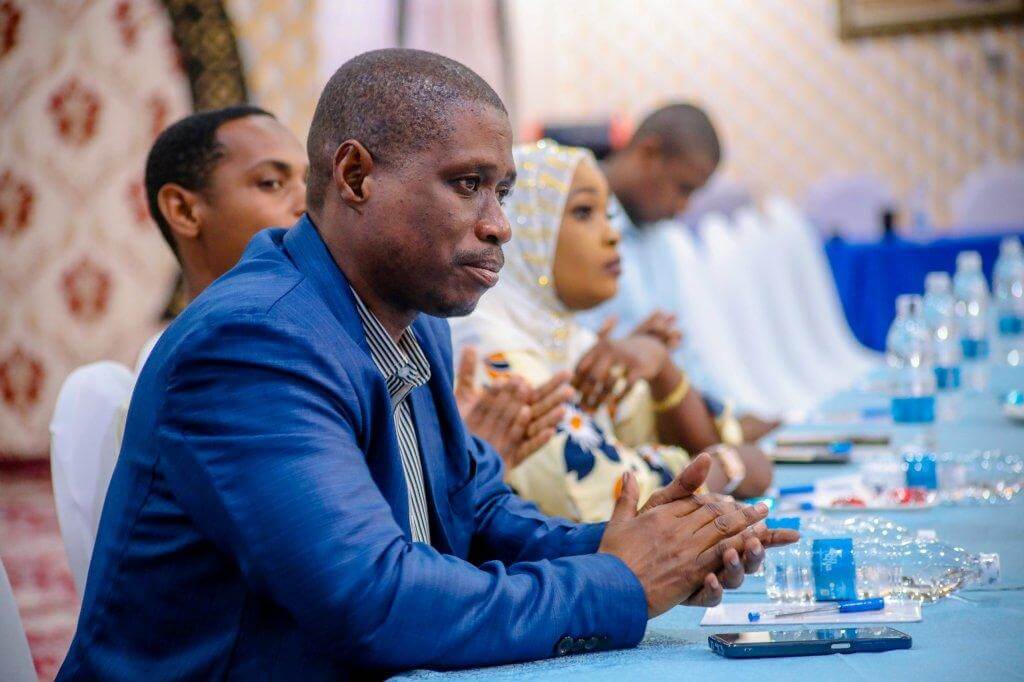
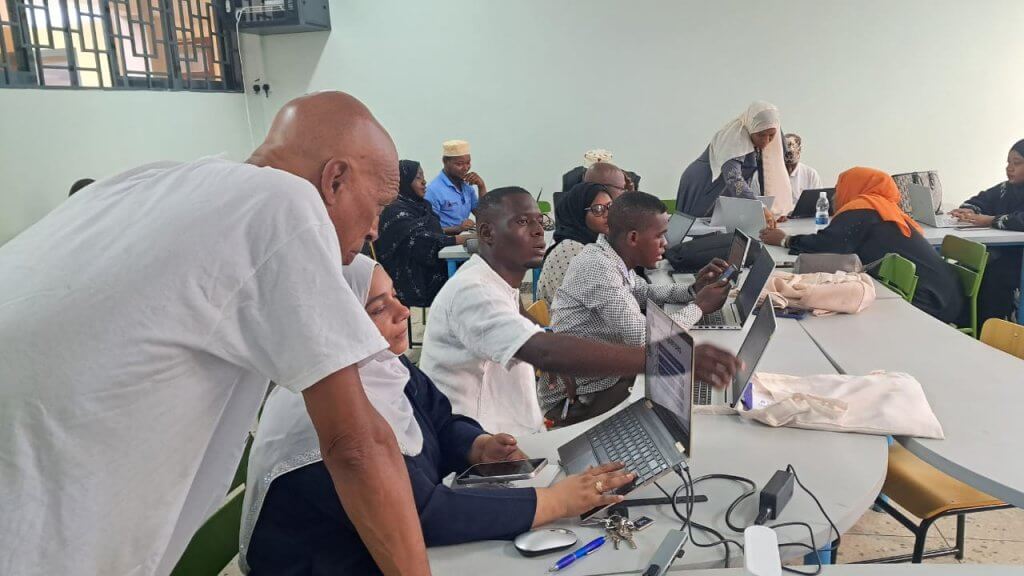
Sadiq’s involvement reflects this vision of sustainable, locally supported teacher development. In November 2025, he participated in the TTT training program at Nkrumah Teacher Training College, helping coordinate activities and supporting R.O.S.A.’s team and participating educators.
For Sadiq, one of the most rewarding moments came from witnessing teachers overcome their initial uncertainty about technology.
“One of the most memorable moments was seeing teachers who initially had limited confidence in using technology successfully complete their IBM SkillsBuild courses, earn digital credentials, and demonstrate enthusiasm for applying new technologies in their teaching.”
These achievements demonstrated how access to practical learning opportunities can help educators build confidence and become more comfortable introducing digital tools into their classrooms.
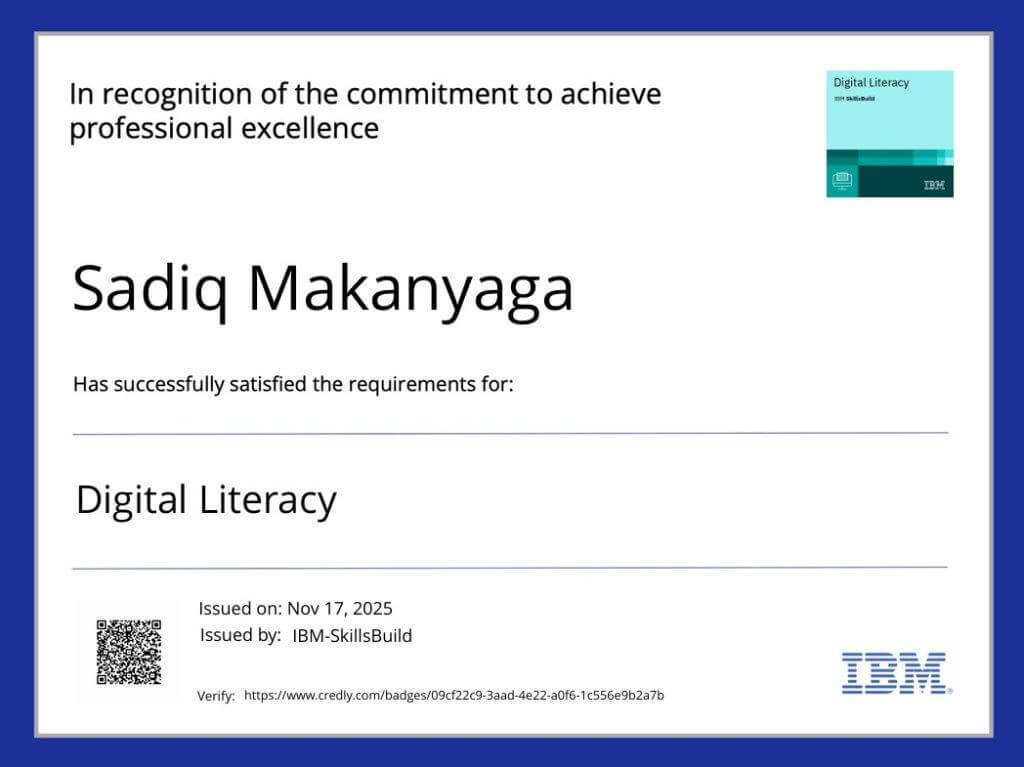
Sadiq also completed digital literacy training through IBM SkillsBuild, reflecting his belief in lifelong learning and continuous professional development.
From Digital Literacy to New Classroom Possibilities
Following his involvement in the TTT initiative, Sadiq took on another meaningful responsibility: becoming R.O.S.A.’s first local ambassador in Zanzibar. In this role, Sadiq helps raise awareness of R.O.S.A.’s educational initiatives, connects with teachers and local stakeholders, encourages participation in training programs, and promotes innovative digital teaching practices.
His role also reflects an important principle behind TTT Academy: meaningful educational progress requires local leadership and long-term collaboration.
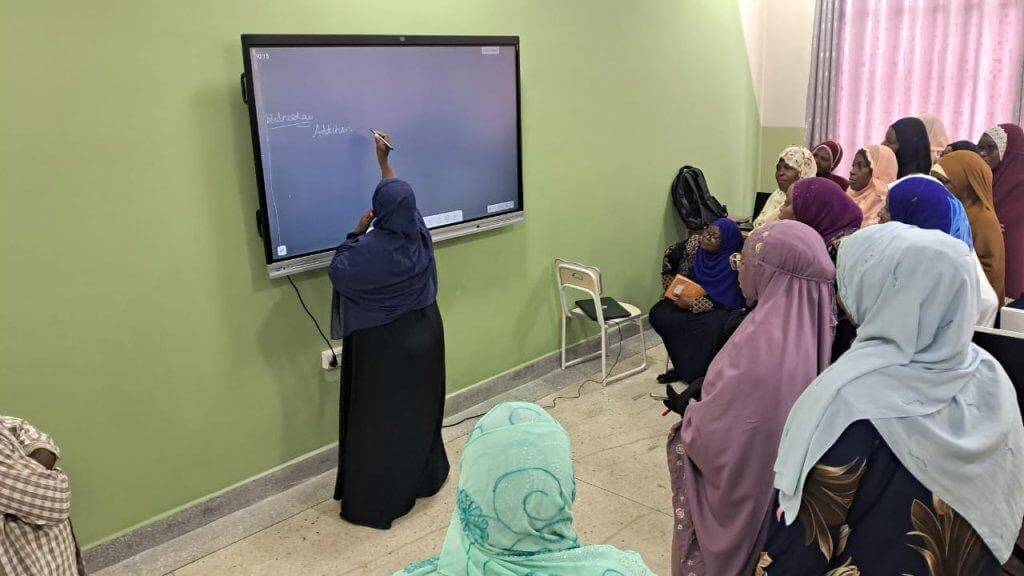
The impact of teacher training does not end when a workshop concludes. Educators have continued exploring digital tools, including artificial intelligence, to develop educational songs, learning materials, and question-and-answer activities.
These examples demonstrate how digital literacy can encourage creativity and help teachers discover different ways of presenting information to their students.
A Vision for the Future of Education in Zanzibar
When asked about his greatest hope for Zanzibar’s education system, Sadiq envisions a future where technology, innovation, and equal access to learning opportunities work together.
“My greatest hope is to see Zanzibar build an inclusive, innovative and technology-driven education system that empowers every learner with the knowledge, skills and values needed to thrive in a rapidly changing world.”
It is a vision that closely aligns with R.O.S.A.’s mission to remove barriers to education, encourage digital inclusion, and support sustainable community development.
Through his work at the Ministry of Education and Vocational Training and his role as R.O.S.A.’s first local ambassador, Sadiq continues to advocate for an education system in which teachers feel supported, students are encouraged to explore, and technology becomes a tool for opportunity.
His message to teachers and young people is both a call to action and a reflection of his own journey:
“Be agents of change, embrace innovation, and never underestimate the power of knowledge. The future of Zanzibar begins in our classrooms and is shaped by the actions we take today.”
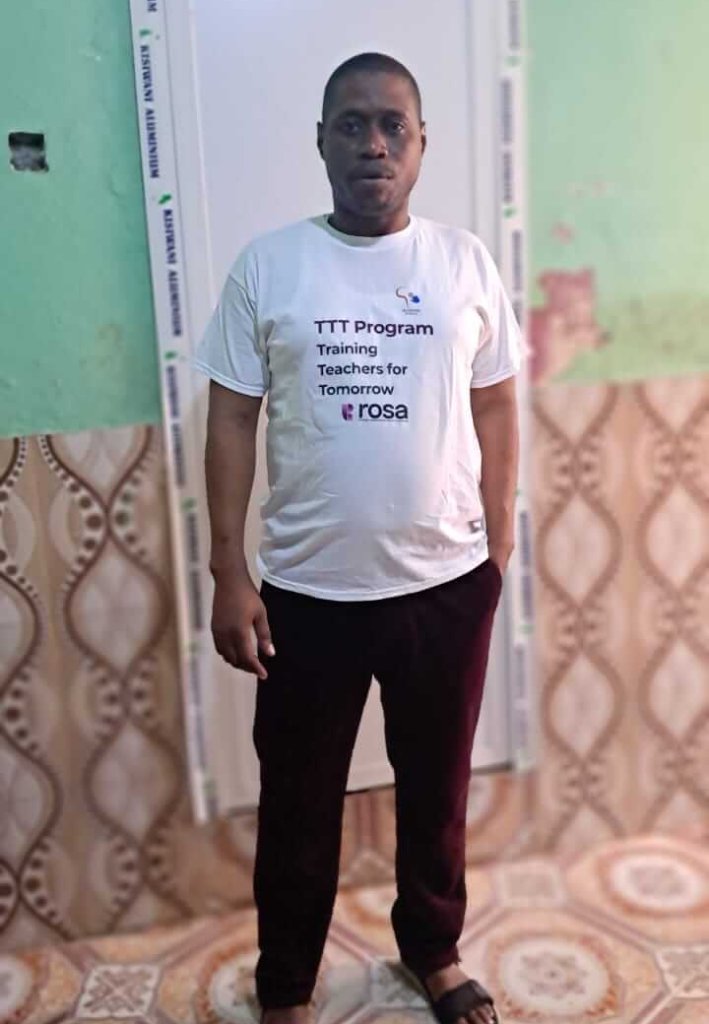
As R.O.S.A. continues its work with local educators and partners in Zanzibar, Sadiq’s story reminds us that the most powerful educational transformations begin with people willing to learn, lead, and share their knowledge.
Learn more about R.O.S.A.’s mission and the Training Teachers for Tomorrow initiative by visiting R.O.S.A.’s website.