The Skills That Will Define Tomorrow: A Conversation with Linda Perry Lube
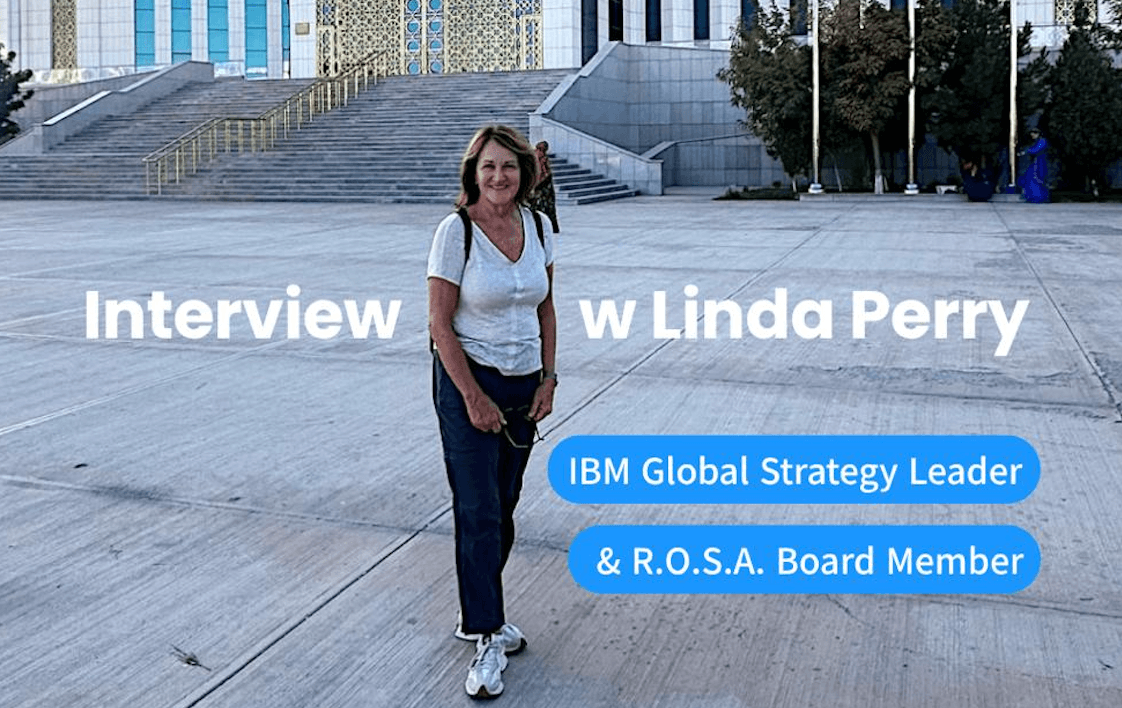
R.O.S.A. has launched a new interview series exploring the future of education, from AI in the classroom to closing the digital divide for underserved learners. The latest installment features Linda Perry Lube, a member of R.O.S.A.’s Board of Directors, who brings her leadership experience in the tech world to the organization’s vision.
The conversation opens with a striking statistic: the World Economic Forum estimates that 65% of students currently in school will work in jobs that don’t yet exist. Linda’s take is that schools can no longer train students for a single career path; education has to prepare young people “to adapt, think critically, solve problems, collaborate, and keep learning throughout life.” That means rethinking the classroom through real-world projects and portfolios, because, as she puts it, “the future of education isn’t about preparing students for one job, it’s about preparing them to thrive in constant change.”
Asked which human skills will matter most as AI reshapes the workforce, Linda named three: critical thinking, creativity, and emotional intelligence, “the ones that make us most human.” In a tech-saturated world, she added, these skills “won’t just matter, they’ll define what makes us irreplaceable.” On closing educational gaps, she was clear that access alone isn’t enough: technology “can help break down barriers of geography, language, disability, and limited resources,” but only when it’s designed with underserved communities in mind from the start.
Linda joined R.O.S.A. ‘s board to honor her connection with the culture of volunteerism and have a place to share her experience with IBM and global leadership. The most meaningful part, she said, has been “helping create connections that strengthen the organization’s impact,” and she hopes to see R.O.S.A. “continue expanding its reach… and creating greater access to education and global digital literacy for communities around the world.”
This conversation points to a simple truth: the future of education won’t be defined by any single tool or technology, but by how well we prepare both students and teachers to adapt, connect, and grow alongside it.